Masakage Yuki Nakiri - Community Cutlery

Masakage Yuki White #2 Nakiri Knife 160mm Nashiji

Regular price£225.00
/
Tax included. Shipping calculated at checkout.

Masakage Yuki – Nakiri

––––––––––––––––––––––––––––––––––––––––––––––––––

Nakiri – The Vegetable Knife
The nakiri is a traditional Japanese vegetable knife, recognisable by its straight edge and rectangular blade. Designed for clean, even cuts through vegetables and herbs, the nakiri excels at push-cutting, chopping, and slicing without rocking. Its tall profile provides knuckle clearance and makes it easy to guide through large quantities of prep.

––––––––––––––––––––––––––––––––––––––––––––––––––

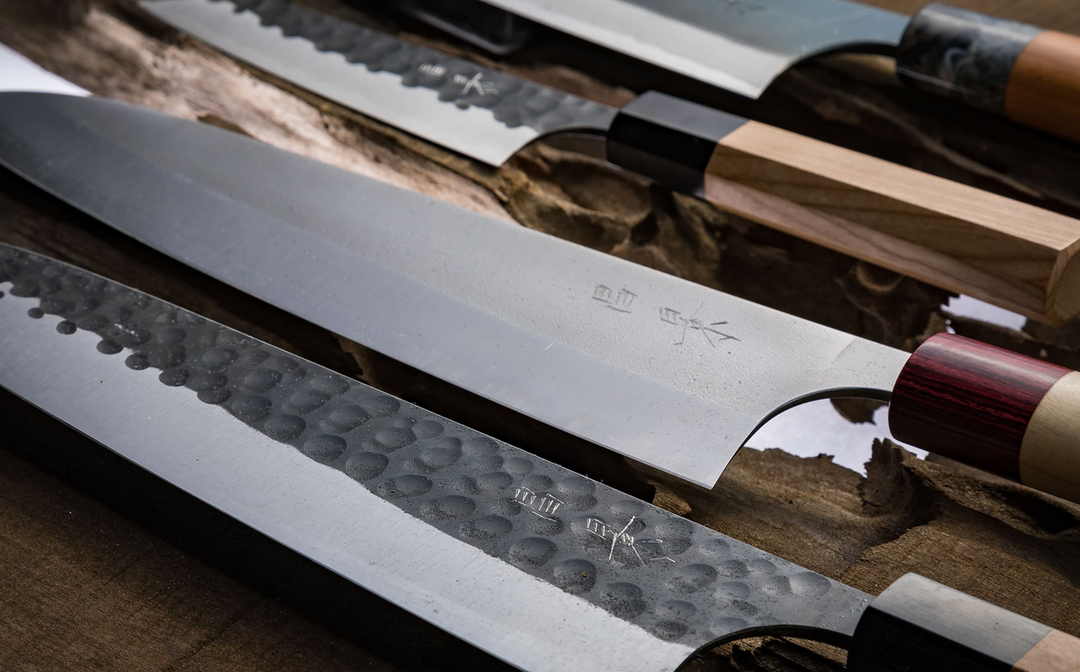
Nashiji – “Pear-Skin” Texture
Nashiji means “pear skin” in Japanese, referring to the mottled, slightly rough surface left on the blade. This finish reduces food sticking while creating a beautiful, organic texture.

––––––––––––––––––––––––––––––––––––––––––––––––––

San Mai – Three-Layer Construction
San mai means “three layers.” It describes the traditional Japanese method of sandwiching a hard steel core between two softer layers of protective cladding. The hard core provides razor-sharp cutting performance, while the outer layers add toughness and make the knife easier to maintain.

––––––––––––––––––––––––––––––––––––––––––––––––––

Masakage – Hand-Forged in Echizen
Masakage works with a select group of master blacksmiths in Echizen to produce small-batch, hand-forged knives. Each blade carries the personal touch of its maker, with distinctive finishes and razor-sharp edges that showcase the beauty of Japanese craftsmanship.

––––––––––––––––––––––––––––––––––––––––––––––––––

White 2 Steel
Slightly tougher and more forgiving than White 1, razor-sharp and responsive.

––––––––––––––––––––––––––––––––––––––––––––––––––

Steel Care
• Always hand wash immediately after use — never in the dishwasher.
• Dry completely with a towel to prevent rust or discolouration.
• Use wooden or soft plastic cutting boards to preserve the edge.
• Store safely — in a knife block, magnetic rack, or saya cover.
• Sharpen regularly using whetstones for best long-term performance.
• Carbon steels will form a patina over time — this is normal and protective.

––––––––––––––––––––––––––––––––––––––––––––––––––

Specifications
Blade shape – Nakiri
Maker – Masakage
Blade construction – Stainless Clad San Mai
Steel – White #2 Carbon Steel
Handle – Oval Magnolia with Red Pakka Wood Ferrule
Total length – 313 mm
Blade length – 160 mm
Blade height at heel – 60 mm
Weight – 168 g
HRC – 62–63
Blade finish – Nashiji
Edge grind – 50/50
Thickness behind the edge – 0.36 mm
Thickness of spine at heel – 2.7 mm

––––––––––––––––––––––––––––––––––––––––––––––––––

Age Restriction
Knives are only available to persons over 18 years of age. Due to the nature of our business, all customers will be asked to prove their age at checkout.

We ship Tuesday to Saturday using Royal Mail Tracked 24.

All knives ship via an age verified service in accordance with The Offensive Weapons Act 2019, which will mean the postie will need you to be in to receive the delivery & to check your ID if you look under 25.

The law also requires us to carry out a soft age check of the purchaser after checkout, this is done by an automated system that usually doesn't require your input, although we will need to contact you for proof of age if you fail, which can sometimes happen if you use a work address.

This site is protected by hCaptcha and the hCaptcha Privacy Policy and Terms of Service apply.

Blade Shape - Santoku

Santoku, translating as "Three virtues" is a superb all rounder kitchen knife.

This traditional knife, used in homes thoughout Japan for prepping for preparing meat, fish and veg is definately one to be considerd as your main knife in the kitchen..

see more knives this shape

Steel Type - Shirogami #2

Shirogami or White #2 is a high carbon steel with excellent potential for sharpness and superb sharpenability.

See more carbon steel knives

Care information

As we're working with carbon steel here we need to be mindful of it's reactivity, we can expect the blade to darken and patina with use, that's normal and to be treasured, it's like the knife developing it's own fingerprint. 

What we don't to see is rust, rust will develop if the knife has been left with any moisture on the surface, to avoid it just make sure it's washed and dried throughly before you sit down to eat. If you do see any rust spots develop they can be removed easliy with a rust eraser.

A knife like this performs so well becuse it's to thin, but that does mean it's more susceptible to damage, so with this in mind no twisting or riving the knife if it gets stuck in food, no cutting toward bone or cutting frozen food and absolutley no dishwashers!

Masakage

Starting out life in 2007 by master sharpener Takayuki Shibata, Masakage was inspired by Masakage Yamagata, a samurai general who rose to promenance during Warring States period.

Designed and sharpened by Shibata himself and forged by blacksmiths at Takefu Knife Village Masakage knives are of exceptional quality.

Free sharpen with every knife

We really want your new knife to stay at it's best, thats why we offer a free sharpen with every one purchased from us, just pop it in the post or come along to the shop and we'll take care of it.


Recently viewed